
David Rovis is a New York City-based producer, model, and musician from Istria, Croatia. He grew up on stage at the Istrian National Theater, performing as a child actor and dancer while studying classical piano, guitar, voice, and music theory. He holds a B.A. in Media, Culture, and the Arts (Magna Cum Laude) from The King’s College in New York, and an M.B.A. in Digital and Strategic Marketing (Summa Cum Laude), from Westcliff Uni- versity in Miami. The years away from performing arts, however, were not wasted. During that time, David built a distinguished career as a producer, working with names such as Tiffany & Co., Casa Cipriani, British GQ, and others. Throughout the years of silence and hard work, David has been writing his debut jazz album, Honesty, a collection of songs about love, betrayal, beauty, heritage, and the cost of them all. The album arrives in early 2027.
“Un Gran Figo is not just a comeback, it’s a reclamation of
identity, art, and the courage to be seen.”
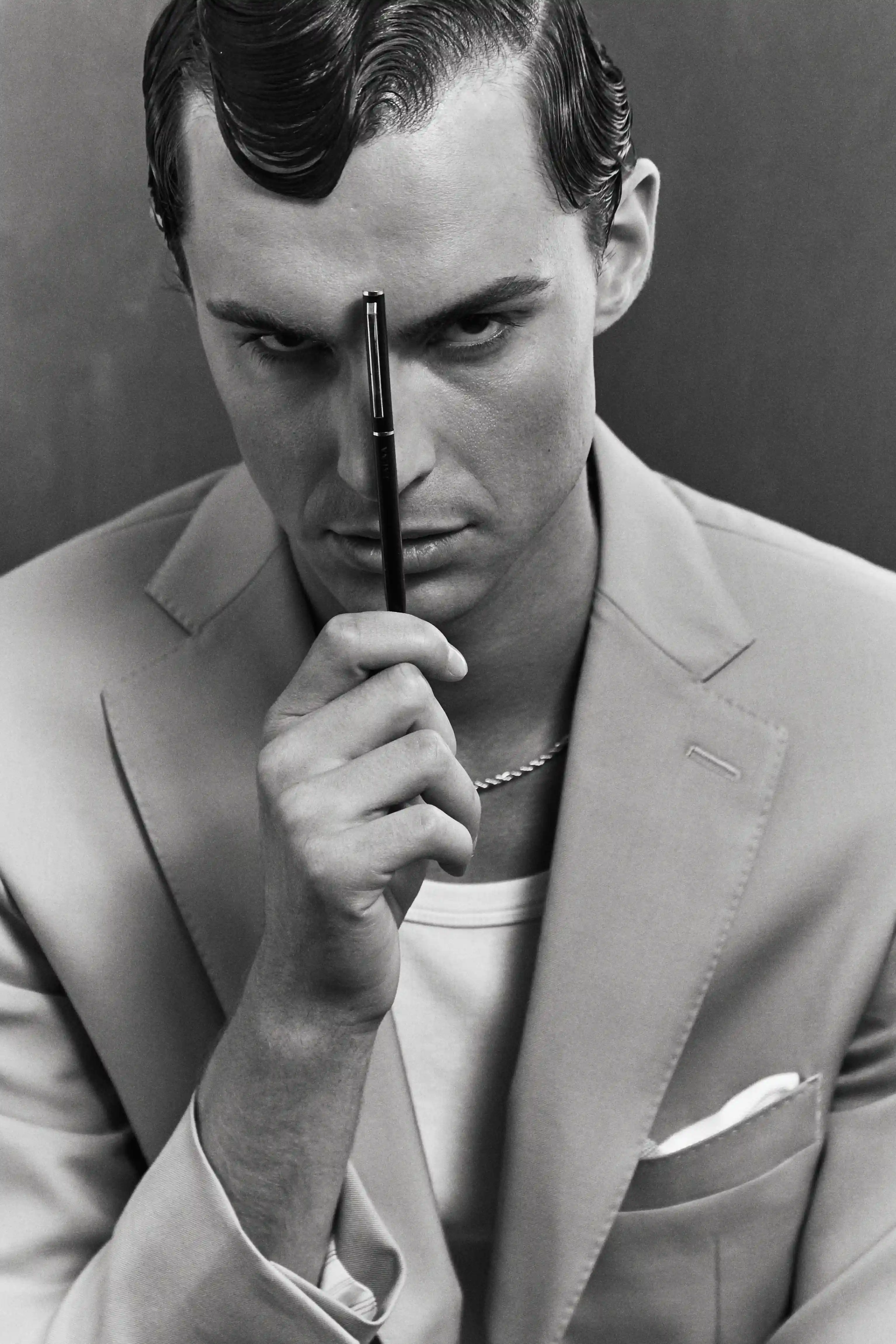
As a child, you studied classical piano, guitar, voice, and music theory. Which discipline had the greatest impact on your artistic identity, and why?
None of those, ironically. While my music education was beyond formative, classical music training doesn’t allow for much creativity. It’s rigorous, but focuses on the technicality more than it does on art. That said, the greatest impact on my artistic identity was theater. I was a part of the Drama Studio ensemble at Istrian National Theater for most of childhood and teenage years. During that time, I learned so much––acting, movement, dance, improv. I even got to write two shows and direct one of them, which was performed for the general public. Think about how affirming that is for a teenager pursuing the arts. Our drama pedagogues were always open about letting us experiment. Nothing was off limits, which was such a blessing as a young creative. In our plays, we could cuss, we could scream, we could jump and do cartwheels… We could do whatever we wanted to do, and we could be whoever we wanted to be. Add to it the fact that this all happened at a reputable institution, collaborating with real art professionals and budgets. Little to say, theater was my heaven and safe haven in my early years.
Most encouraging influence in this environment was my drama and movement instructor and director of several shows I starred in. She poured her knowledge of movement and abstraction into me at such a young age, and gave me many opportunities to perfect my craft throughout the years. I carry that love for art and experimentation well into my adult life as an artist.
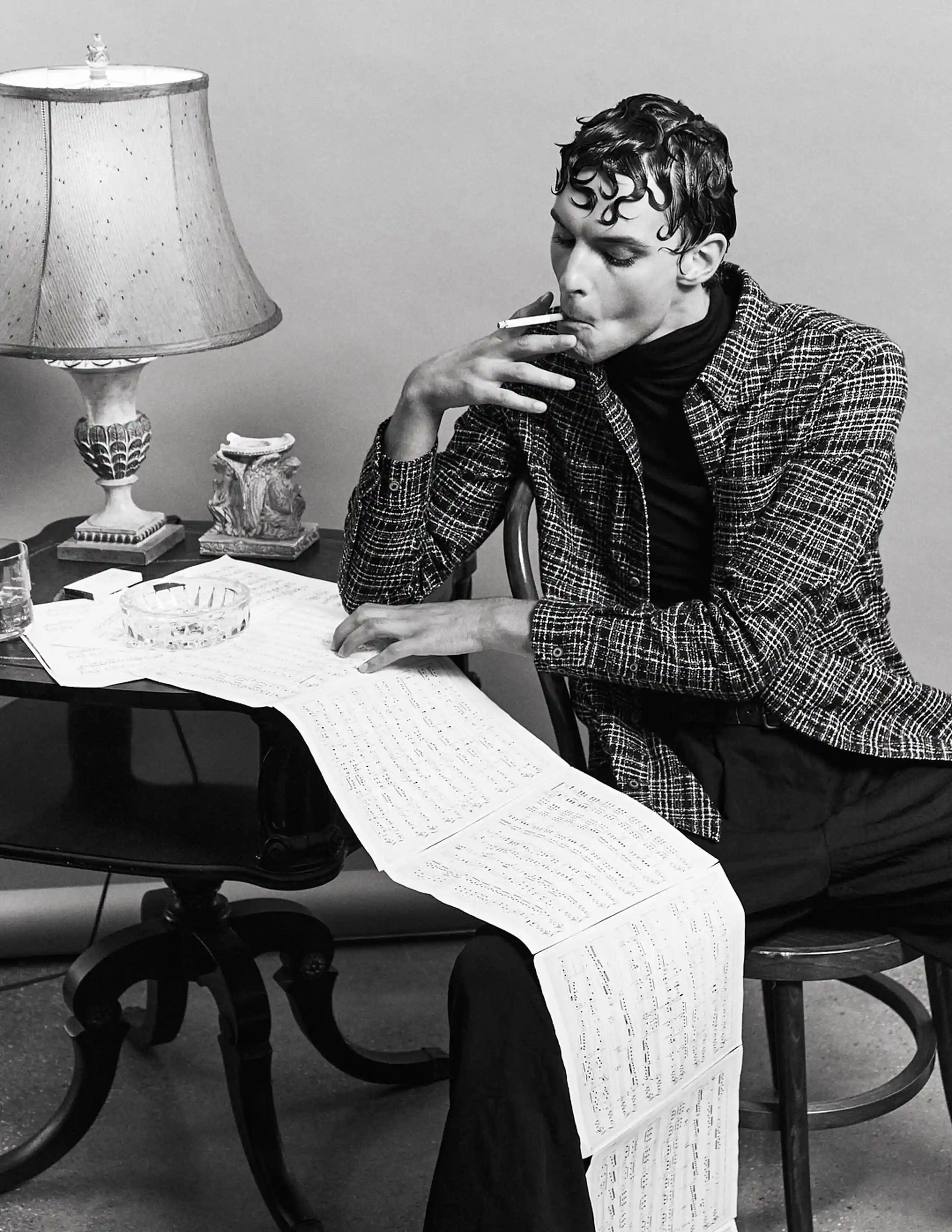
After building such a strong foundation in the arts, what led you to step away from performing for eight years?
Theater was my biggest blessing and my biggest curse. As a child actor, you’re often not as protected as you should be, especially when you’re acting alongside grown adults with degrees who do it for a living. Some of them don’t have the best intentions.
One of the actors at the theater — someone who had seen me many times as I went into rehearsals — ended up pursuing a relationship with me. But you can’t call it a relationship as I was only fourteen. It was grooming, plain and simple. I was very naive and simply didn’t know better. I’ve written songs about him and the aftermath of the damage his sexual abuse caused me.
After this, my view of artists and creatives became skewed — I started thinking they were all messed up in the head just like him. Well, we might be a little messed up in the head, but, after all, most of us are benevolent and have good hearts.
While I continued doing theater for a couple of years after this, I felt it was time for a change. It just so happened that I moved to America at that time––a perfect time for a blank slate and new beginning.
After years of this hiatus, I realized I simply can’t hold it in anymore. I need a creative outlet for the sake of my own health, my spiritual well-being — and because I have a lot to say and the world has a lot to hear.
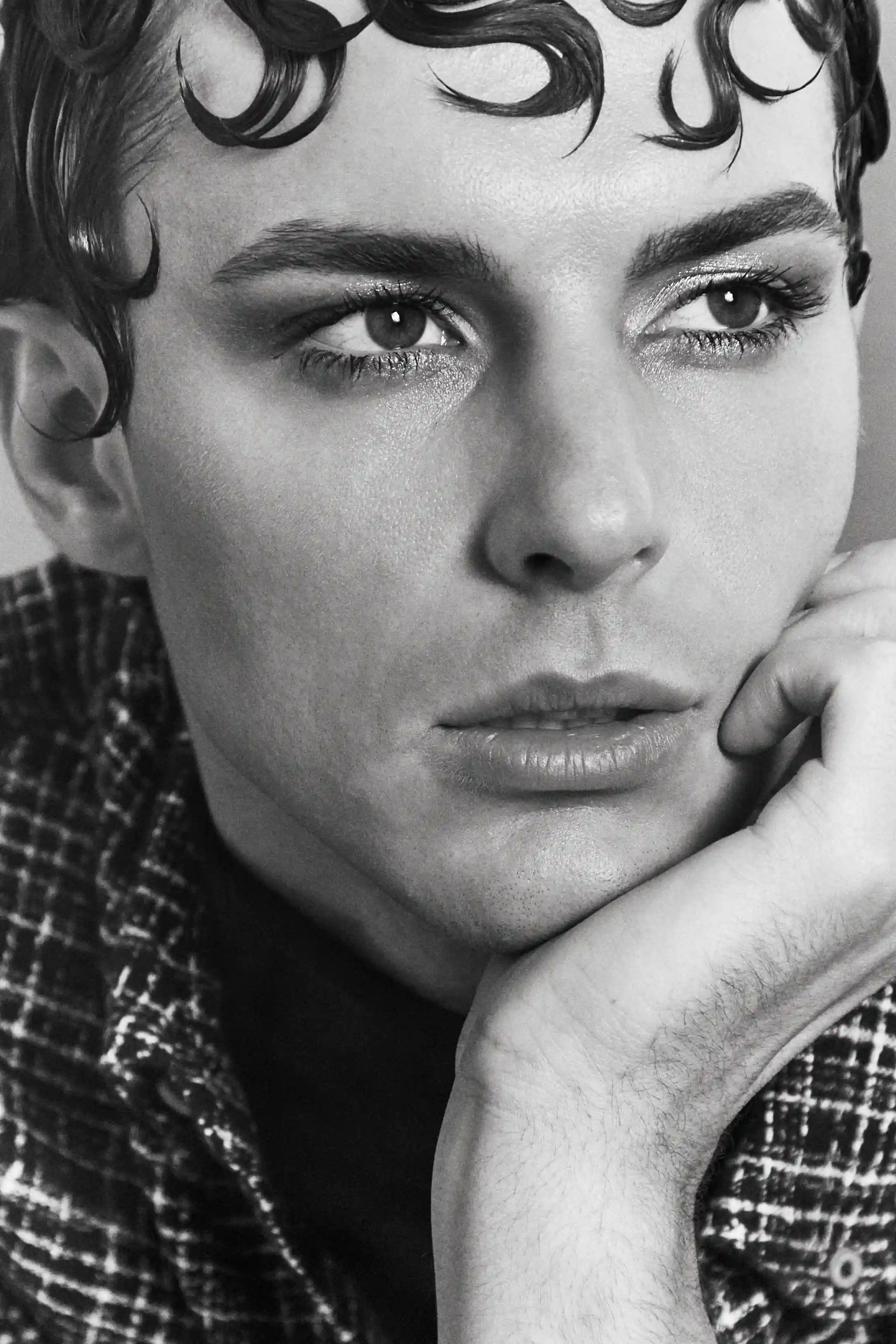
During your hiatus, you established an impressive career as a producer, collaborating with renowned brands and institutions. What lessons from that chapter of your life have influenced the artist you are today?
Being a producer is not for the faint of heart. It’s real work, and it’s hard work that allowed me to see the industry for what it is, and understand creative process from a managerial perspective. Working with prestigious names, brands, and celebrities has completely demystified the entertainment and fashion industries for me. A lot of people pursuing a career in the arts tend to view it through rose-colored glasses, and that’s simply not the way it is.
All of these people––celebrities, supermodels, executives at high fashion brands––are just people who happen to have nice jobs they excel at, or who are well connected. The industry is not some mystical entity. It’s a collective of people making it all happen every single day. Some of them might live in your building or your neighborhood, especially in New York, LA, or Miami. There’s something very exciting about knowing that you can meet someone who can change your life simply by sitting behind them in a coffee shop or taking out the trash at the same time.
Seeing the backend of the industry, I understand music as both an art and a business. And I excel on both fronts.
Was there a defining moment when you realized it was time to return to performing arts?
It was more of a process than a moment. I’d been writing poems in my notes app for the longest time, and I started to think about recording. Then Laufey––an Icelandic-Chinese singersongwriter––had her big break in late 2023 and inspired me greatly. She started by simply recording herself with her guitar in her bedroom. Seeing what she built, and seeing how much love there is for jazz and classical music in today’s world––which I didn’t expect––I knew I could do it too.
Then Cardi B dropped her album. The album was like a steroid. It infused me with energy, power, and showed me how to be unapologetic about my work and where I want to head in life.
In January of this year, I committed to a shadow work challenge for artists hosted online. During that time, since I was “funemployed,” I went to Hawaii for a month and focused on my artistry and personal healing. Many of the pieces on this album flew out of me during that period. I also did the Artist’s Way with a group of artists in Upper West Side right after.
Your editorial Un Gran Figo is deeply autobiographical. What does the title mean to you, and why was it the perfect representation of your comeback?
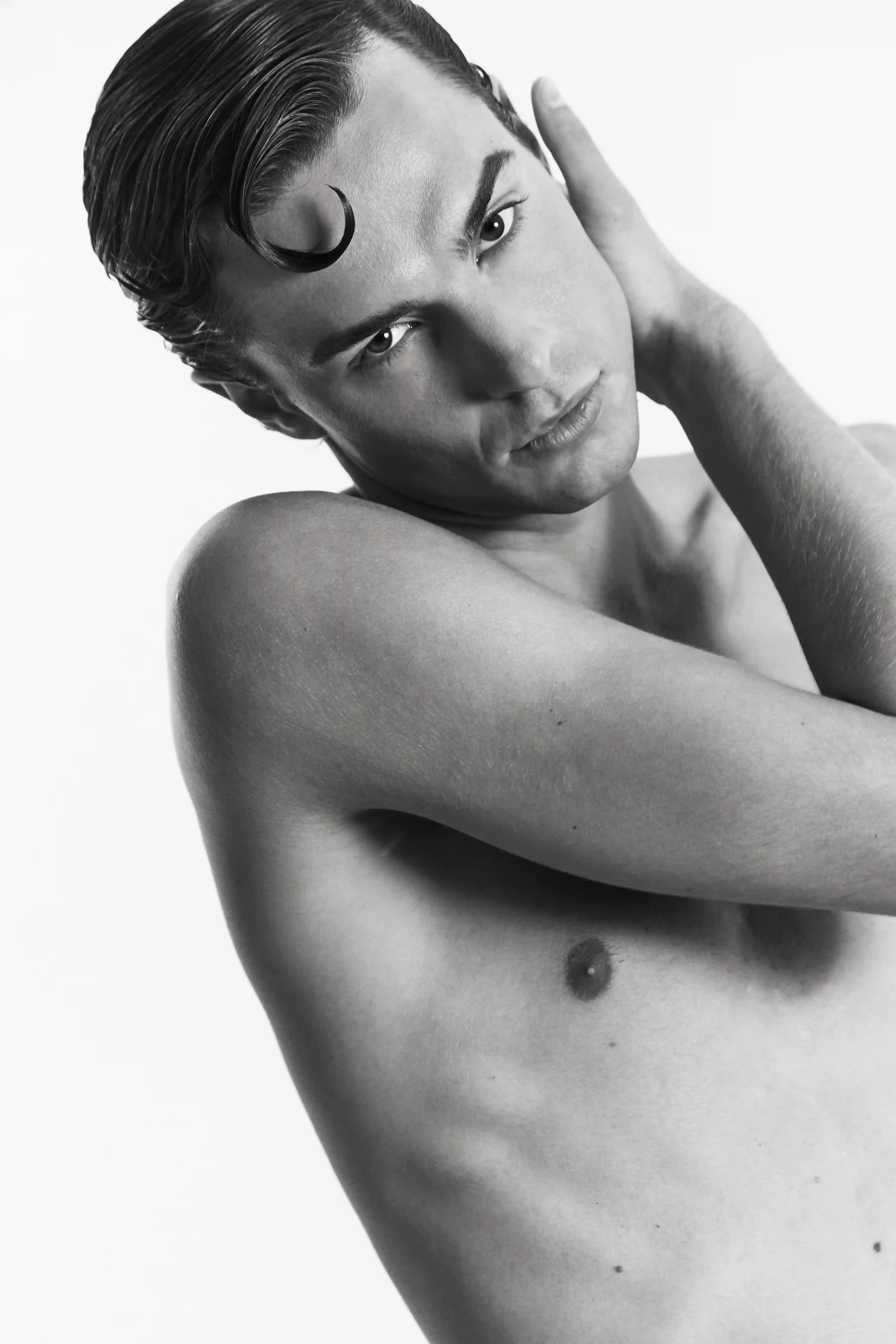
Un Gran Figo is Italian slang for hot guy, hot stuff, a stud. It’s a fun name for the editorial, and it’s also a reclamation of my own capabilities and identity — without soaking it in false humility to make it acceptable to others. I know my qualities and I very well know my flaws, but I know what I’m capable of, and it’s about time I get comfortable with people looking. Some could say the title boastful, especially when I’m the one who produced, directed, and starred in my own one-model editorial. But that’s the whole point. I am not ashamed to toot my own horn. I am not ashamed to admit what is good in me and about me. I am good-looking, after all, and that’s a beautiful thing I should bask in — not minimize or punish myself for, as I did for years after my abuse.
The editorial explores themes of self-acceptance, beauty, and reclaiming your identity. Why was it important for you to tell this story now?
There is no agenda around the album timing. The only reason I’m releasing it soon is because I can’t keep it all in anymore. I simply can’t hide.
I have to reclaim who I am because I’ve hidden it for years, putting on a facade that never served me in the first place. This album, as much as it is courageous, is also an expression of my weakness — a good weakness, as I am too weak to keep pretending. I had to choose between two hards: pretending or living authentically. I choose the latter, taking courage and being unapologetic of who I always was and who I’ve become.
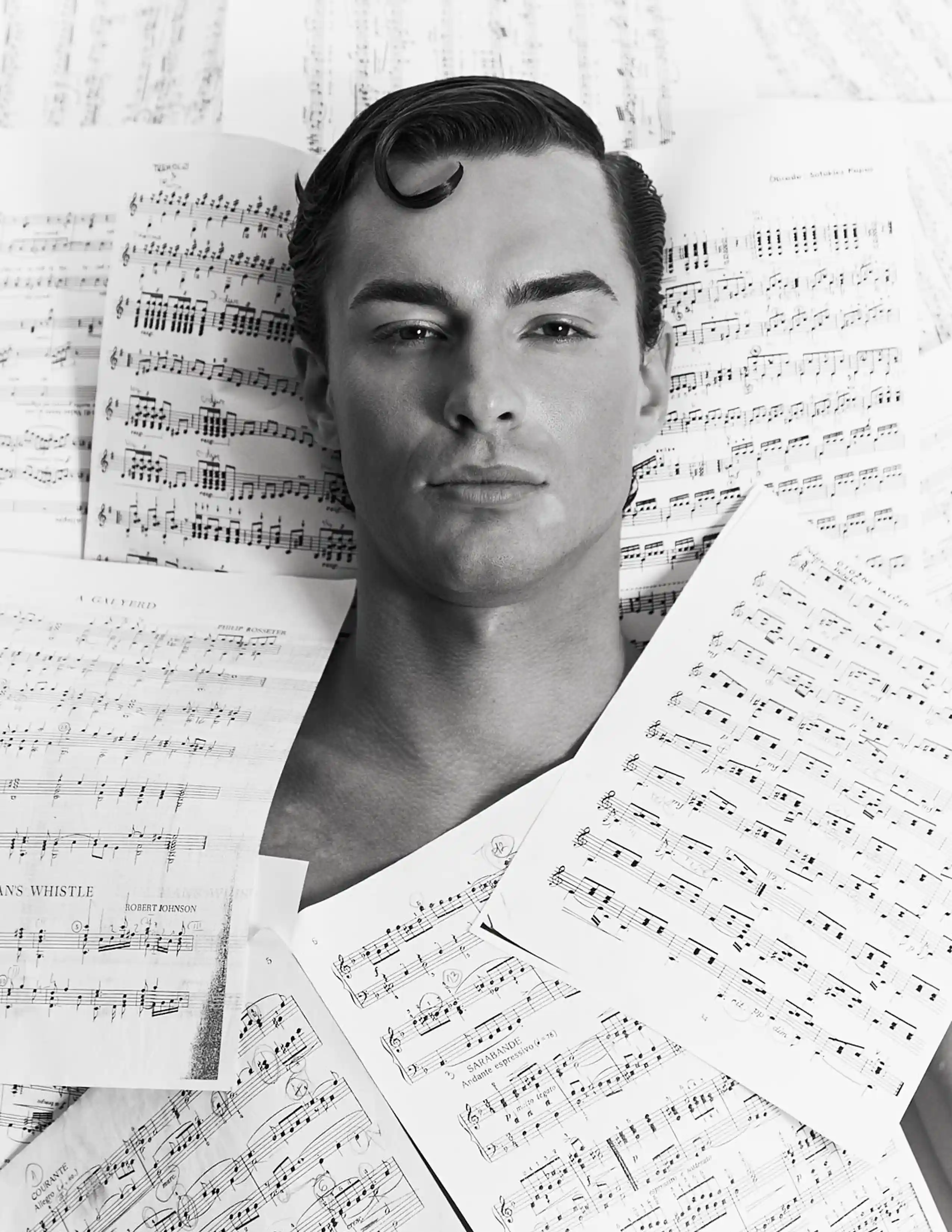
The images feature your own annotated scores of Beethoven’s Piano Sonata No. 9 and Puccini’s “Quando me’n vo’.” What is the emotional significance of these pieces in your journey?
Besides being about Mediterranean excellence, this editorial is an autobiographical story about myself. Beethoven’s sonata was the last piece I performed as part of my music studies. Since then, I hadn’t really practiced much on piano until I picked up my music again within the last two years––so it symbolizes starting exactly where I left off, and coming back with twice as much power.
“Quando me’n vo'” is a piece that served as a soundtrack in one of the plays where I held a lead role at the Istrian National Theater, and one I studied under Music History in my program. It felt very fitting for this editorial for two reasons. First, Puccini is an Italian staple, and Italian tailoring was a leitmotif throughout the editorial. Second, and more personally — the aria features Musetta, a beautiful woman who revels in the gaze of everyone around her, who gets high off of their looks as they crave and yearn for her. But underneath that performance of confidence, Musetta is doing something more urgent: she is singing to reclaim the man she lost and using visibility itself as the instrument of that reclamation. Coming out as a performing artist after related abuse and years of lost time, I see the parallels with my own story. I am not just reveling in being seen — I am using visibility to reclaim what was taken from me: years, identity, and the relationship with my own audience I never got to have. Like Musetta, I’m saying: “Look at me. I love it.”
How has your relationship with music evolved after eight years away from the stage?
I studied classical music for nine years at an accredited program in Europe. After that, I didn’t pursue music at all. But in those eight years, a lot changed. I moved to America, got exposed to so many different sounds, and perfected my English, which is the language I write in, though it’s not my first. Living in New York, I heard jazz in piano bars and of course, from the great names who call this city home. Going to New Orleans, I heard the magic of jazz right out in the street. Mississippi showed me Gospel and Country, and pursuing my MBA in Miami exposed me to Salsa and Latin music, which holds a special place in my heart. It’s not a coincidence that people tend to call us Balkan people “snow Latinos.” We vibe with Latin music deeply, and my album reflects that. Living in Brooklyn, I was also immersed in merengue, bachata, hip-hop, rap. Years of cultural exposure, along with studying Media, Culture, and the Arts at The King’s College, really played into my taste-making. I have a unique palette.
As a young performer, I had a lot of passion. Now I also have maturity — earned through testing all different sounds and flavors of art, in America and abroad. Having width, being eclectic as a person, is the best thing I’ve ever done for my art. And it reflects in my writing and composition.
Your debut jazz album, Honesty, explores themes of love, betrayal, beauty, heritage, and sacrifice. What inspired you to tell these stories through jazz?
Jazz is really the one thing that speaks to the depths of me. I grew up listening to Amy Winehouse, and I’m deeply inspired by her artistic legacy. What inspires me most about her is that rawness and honesty she brought to her music.
Jazz is also just so flexible––it integrates well with the other genres I’m experimenting with, including R&B, blues, reggaeton, and hip-hop. It fits everywhere, yet it remains distinct. Almost esoteric in a way. When you have a story like mine that doesn’t fit neatly in one box, you have to tell it in a genre that doesn’t fit in one box either––one that is experimental and unconventional. I actually wrote a love letter to Jazz, though it’s not featured in the album. Perhaps I should reconsider.
Jazz songs, mostly by Amy, have gotten me through the hardest times in my life. Her artistic legacy inspires me to do the same––with honesty, realness, and rawness in my creation.
Was there a particular song on Honesty that was especially difficult or cathartic to write?
While it wasn’t particularly difficult to write, the most cathartic song was one that allowed me to admit to myself who I’ve become and how I’ve been moving through the world. The song is called Porn Star. That’s pretty self-explanatory.
It’s about using sex as a coping mechanism after a breakup — going out and about while still missing your old lover, trying to fill a hole that never fills. What made it difficult, even as it was cathartic, is that I generally never speak about my sexuality. Detailing the specifics of my sexual whereabouts took real courage, particularly knowing that my family, (church) friends, and coworkers will hear this album. It’s a risk I’m taking for the sake of authenticity, and, well–Honesty.
Looking back, what would you say to your younger self standing backstage at the Istrian National Theater for the very first time?
Being an artist might not be a “real job,” but it is definitely a calling––one worth pursuing, because while your output may not be too quantifiable, but it does wonders in the hearts of the audience. If it makes your chest burn, go for it. And I know it does. So fight for it, because, in the words of Frederick Douglass, without struggle, there is no progress.
Who are some of the artists, musicians, filmmakers, or thinkers who have inspired your work and worldview?
I’ll give you a rather odd lineup. My biggest influences on this album are Jeanette, Cardi B, Baby Washington, Amy Winehouse, Laufey, Frank Sinatra, Madeleine Peyroux, RUBII, Lou Bega, The Spinners, Ruby and the Romantics, and Aaron May.
Besides Amy, who is my forever muse, most notable is Cardi B, which seems to take people by surprise. Her latest album, Am I the Drama, prompted me to take my writing seriously, get it out into the world, and truly do my best. She’s just a regular girl from the Bronx. I live in Manhattan — she grew up a couple subway stops from me. I’ve even had the pleasure of meeting some of her childhood friends in New York, which makes her feel so tangible. If she could do it, I can do it too. Her unapologetic confidence, regardless of what life throws at her, inspires me to do the same.
Amy Winehouse I’ve spoken about already, but her rawness and realness infuse my life and I feel spiritually connected to her––not just to her art, but to her as a person, though I obviously never personally knew her. She allowed herself to be messy and confessional, to not judge herself for her mistakes but rather write about them and just be real and honest, even if it makes her look like the bad guy. I hope my music does the same.
Ruby and the Romantics, and Baby Washington are also a big inspiration. I think today in music, romance has been lost and replaced with self-love and boundary talk. A lot of current music reflects that cultural attitude. But listening to these old Doo-Wop and Northern Soul songs from the ’50s and ’60s — where artists are unashamed to be romantic, or hurt, or even a little camp is beyond inspiring. Several of my songs flirt with these genres. It’s just much easier to write about difficult topics when you can wrap them in a cute little rhyme and a dreamy glockenspiel.
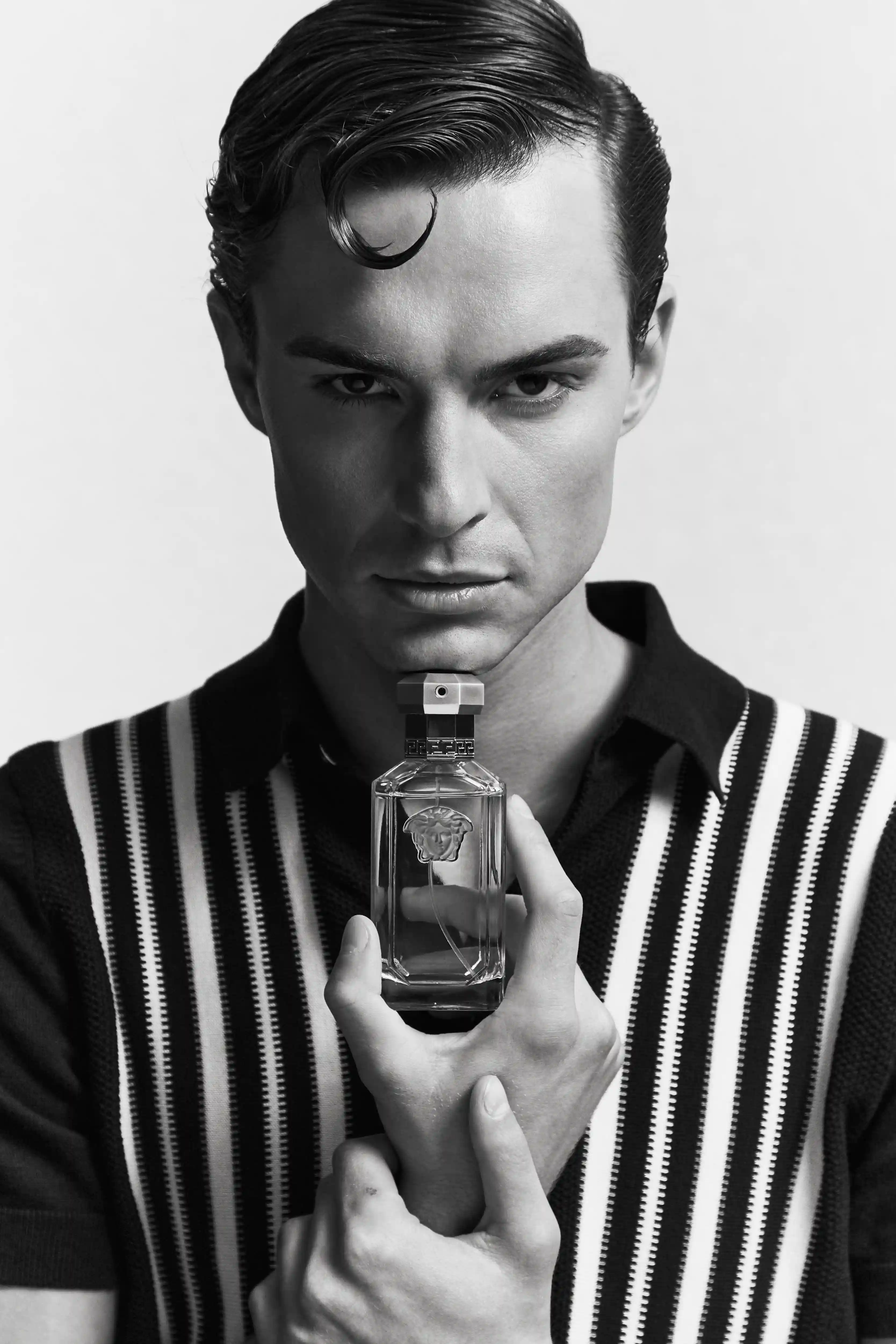
This project was a collaborative effort. Who are the creative talents behind Un Gran Figo, and what would you like to say about their contributions?
I’m very grateful to have worked with some of New York’s finest creatives. Starting with photographer Andrew Day — whom I’d never worked with before this production, though we ran in the same circles. When I showed him the mood board, he was immediately enthusiastic and ready. He’s a real creative genius who has worked with some of the biggest names in both commercial and editorial, and we shot at his studio. The shot of sheet music flying through the air was entirely his idea, and it turned out to be one of the most powerful images in the entire story. Odile Iturraspe handled styling and did a phenomenal job. Her own Mediterranean European roots spoke beautifully to the story’s aim of capturing Mediterranean life, beauty, and class.
Aya Yamashita was on hair. For the most editorial look, I gave her complete creative freedom, and she delivered phenomenally, with an amazing attitude to match. And finally, Veronica Velez on makeup absolutely elevated every look, giving my face all it needed to pop. And it’s tricky to do makeup on men, because you can’t do too much, you know? She nailed it.
Although I directed the shoot, everyone brought their full creative selves to it. With this team of globally working creatives––each of them with credits at some of the most prestigious names in the fashion industry, like Vogue, Ralph Lauren, L’Officiel, Esquire––we created real magic. I’m very grateful to each one of them for bringing my vision to life.
As you step back into the spotlight, what do you hope audiences take away from your story and your work?
My album is very confessional and very honest, as the name indicates, and it might be received very well or very poorly — most likely both, by different people.
What I want my audiences to take away is this: there are so many aspects to our being as humans, and there is nothing wrong with exploring each one of them. My entire life, I felt like I had to fit neatly into one box. With this album, I was able to surrender to myself as God created me to be — with all my nooks and crannies, with the fragrance and the dirt.
I hope the audience gives themselves the same grace I’ve given myself in writing this album. Even though there are so many contradictions in one’s life, that doesn’t make their story any less cohesive. I hope my audience will be inspired to integrate and embrace their contradictions and dissonance, which is exactly what makes life colorful and worth living. Speaking of jazz.
With your debut album arriving in early 2027, what can audiences expect from this new chapter, and what dreams are you still determined to pursue?
They can expect a havoc. In my writing, I keep it very real. I mention names and places, and some of the subjects of my songs still follow me on my socials. So I expect a mess––a very good kind.
The album is honest, confessional, deep, and raw. It is almost a reinvention of myself and how I move through life, both as a creative and as a human. What people can expect from this new chapter is live performances, exciting visuals, and an artist faithful to his truth. I take it step by step, and the right people will find me.
That said, when I go, I go all in. Once the album is out, you will be seeing me.