
Nora Mae is a rising singer, writer, and storyteller whose music exists between a spotlight and a secret. Blending sultry jazz, cabaret drama, and modern indie-pop, she creates cinematic soundscapes that feel both intimate and theatrical. Drawing inspiration from classic cinema, stage musicals, and old jazz records, Nora crafts songs that are emotionally raw yet timeless—where vulnerability is staged with elegance and honesty.
The granddaughter of legendary performer Eartha Kitt, Nora honors her heritage without being defined by it. Rather than imitation, her artistry is rooted in lived experience—introspection, heartbreak, and the quiet work of healing. Her voice carries a sense of nostalgia and mystique, but her storytelling is unmistakably contemporary, grounded in emotional clarity and self-reclamation.
Her debut concept album, Fin, unfolds like a musical in acts, tracing the emotional journey of a woman moving through fantasy, disillusionment, grief, and eventual release. It is a love story, but not a conventional one—exploring identity, projection, and the unraveling that occurs when you stop performing for love and begin choosing yourself. Fin embraces contradiction, holding space for the truth that letting go can still be an act of love.
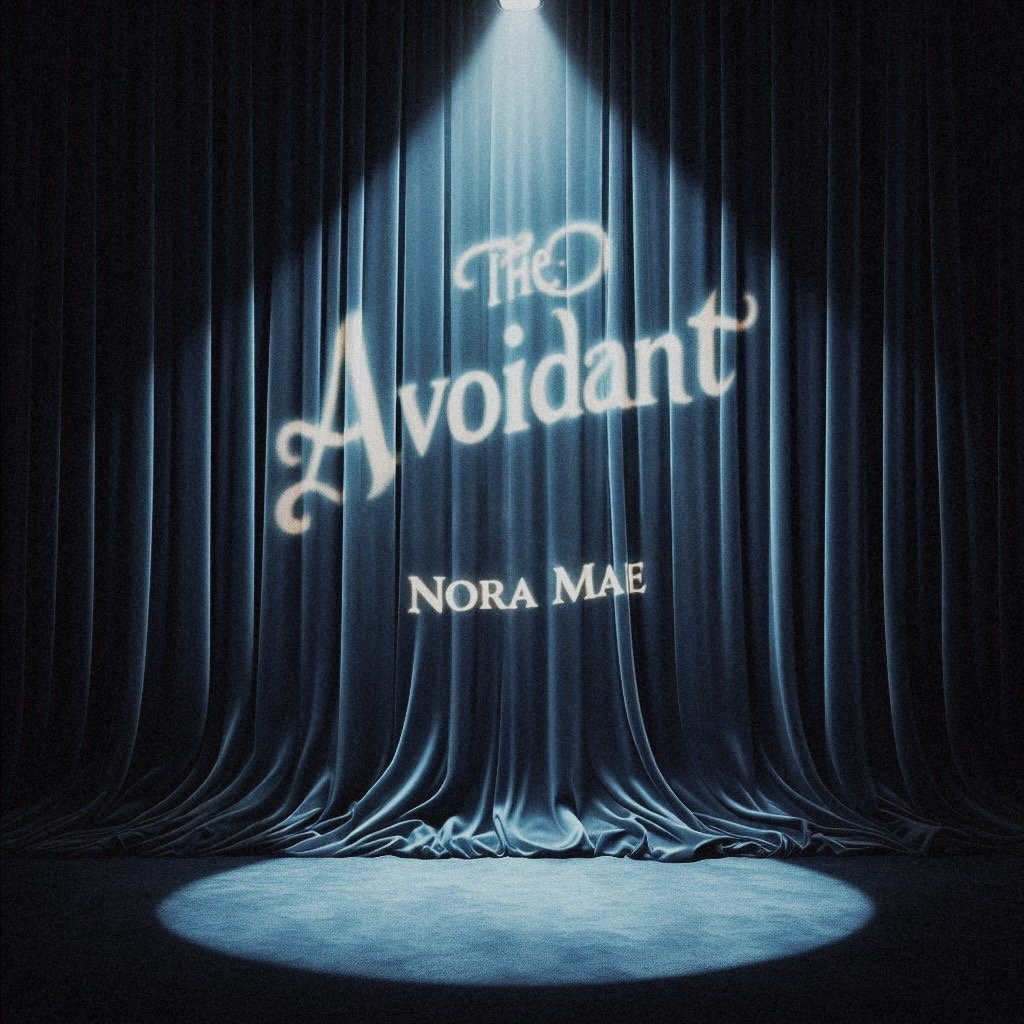
The forthcoming debut single, “The Avoidant,” releasing June 27, serves as the closing chapter of Act I and the emotional threshold of the project. A smoky, cinematic waltz through love and loss, the track blends sultry jazz, melancholic pop, and theatrical grandeur. Nora’s velvety, vulnerable vocals float over lush piano, strings, and haunting percussion, evoking a vintage cabaret reframed through a modern lens. Lyrically unflinching, the song captures the ache of loving someone who cannot stay—suspended between yearning and retreat, collapse and renewal.
With Fin, Nora Mae isn’t simply releasing music—she’s building a world. One where heartbreak is cinematic, intimacy is sacred, and healing doesn’t always arrive gracefully, but always leads back to personal power.
Following a sold-out debut EP release show at the Cara Hotel and a performance at The Troubadour, Nora Mae continues to emerge as a compelling new voice—inviting listeners into an immersive experience where performance meets confession, and the final curtain signals not an ending, but a beginning.
Did you always know you wanted to be a performer, or did music find you later in life?
I definitely always knew. I was a shy kid in some ways—like hiding behind my parents when meeting strangers—but deeply performative in others. I loved the stage. I was in theater camps, songwriting workshops, and would put on full-blown concerts in my bedroom. There were moments I tried to explore other paths or talk myself out of it, but every time, I found myself coming back to this.
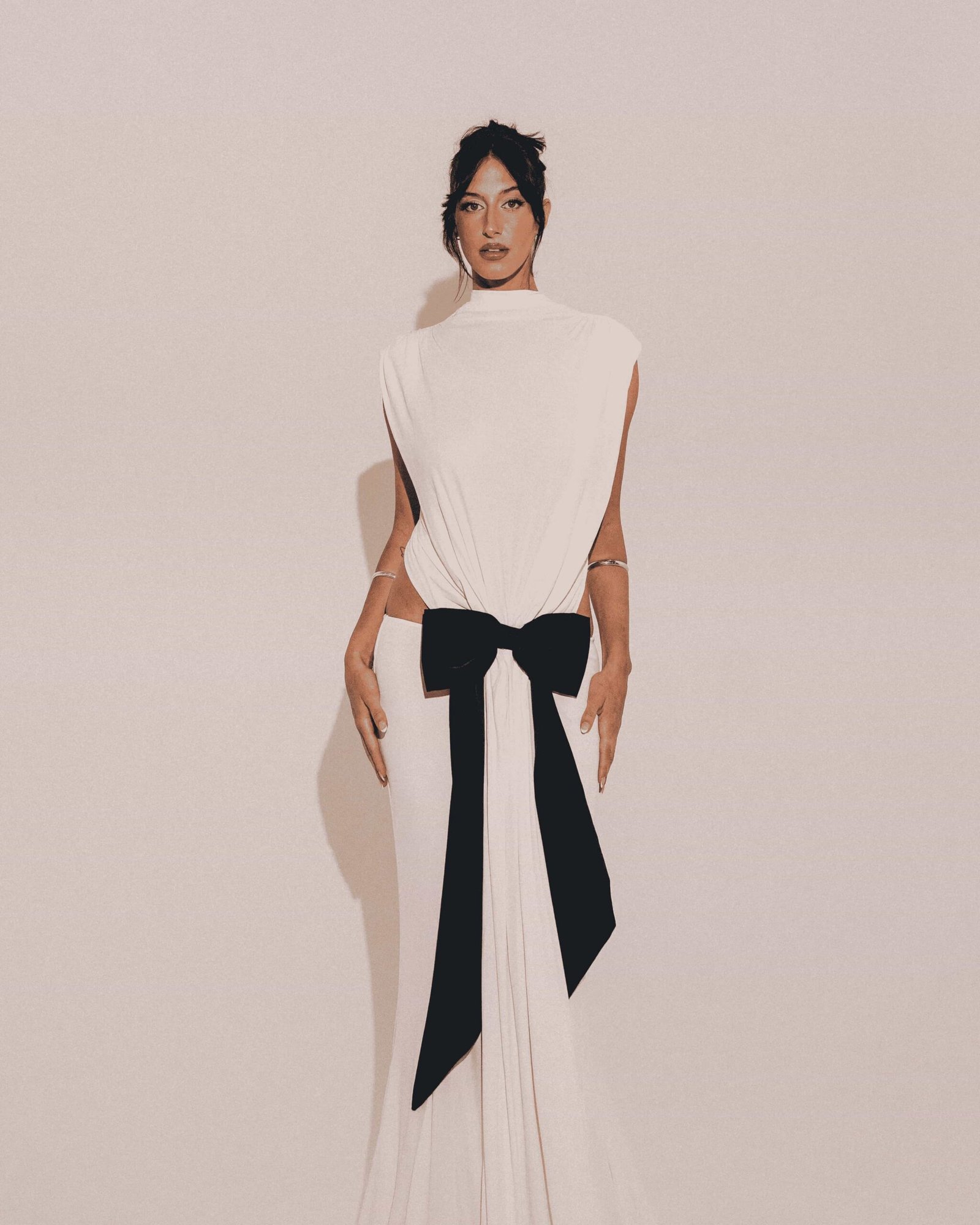
How did your environment growing up influence your sense of creativity and self-expression?
I think I always felt very encouraged by my parents to embrace my wild imagination. I grew up in this supportive echo chamber of playfulness and creativity. I was always telling stories even as a little girl and my parents just thought I was hysterical. And being around my grandmother—and around art in general—I really got to witness performance up close. So I think that, consciously or subconsciously, gave me permission to live in this really imaginative, expressive, romantic world, and it’s continued to live and evolve inside me.
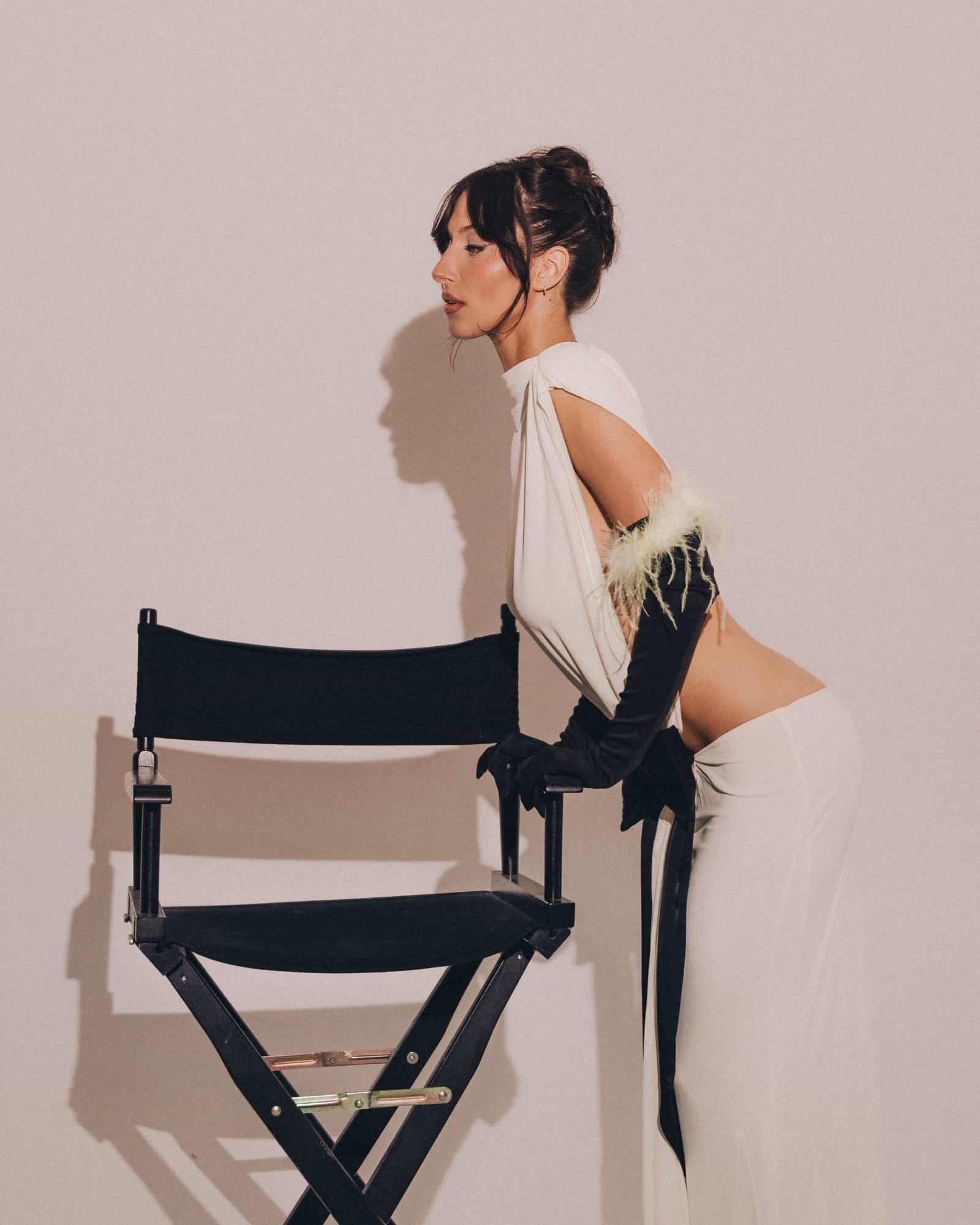
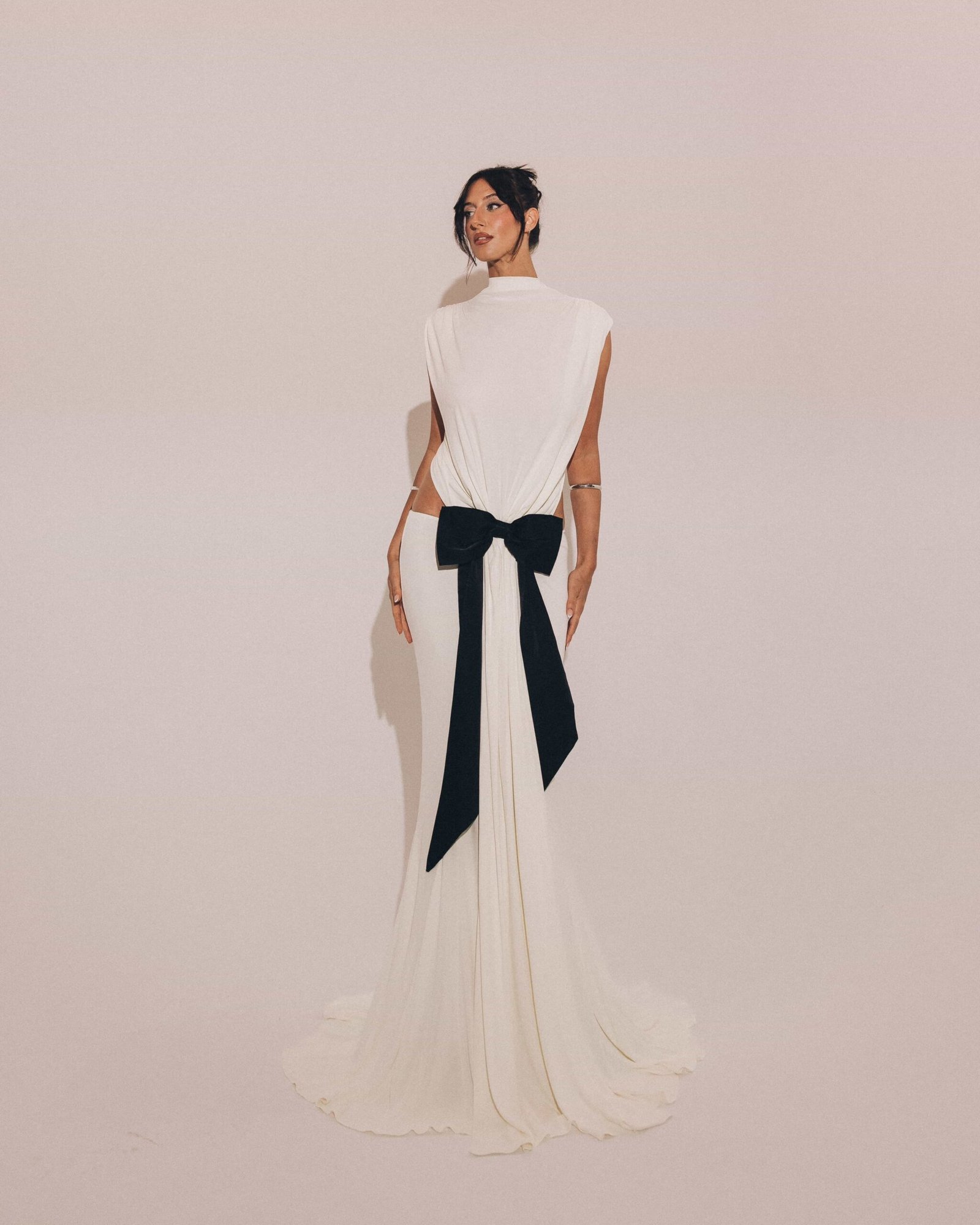
Your music blends sultry jazz, cabaret drama, and modern indie-pop. How did this signature sound come together?
It’s just a reflection of my inner world. I love the elegance and mystery of classic pop and jazz and cabaret, but I also grew up on contemporary pop, and alt-rock, and I love score music. So, that fusion happened naturally. I love writing pop melodies but dressing them in something more cinematic and textured. And I’m so grateful to be creating in a time where genre fluidity is becoming the norm—it’s so much more fun not to feel like you have to box yourself in or stay in any one lane.
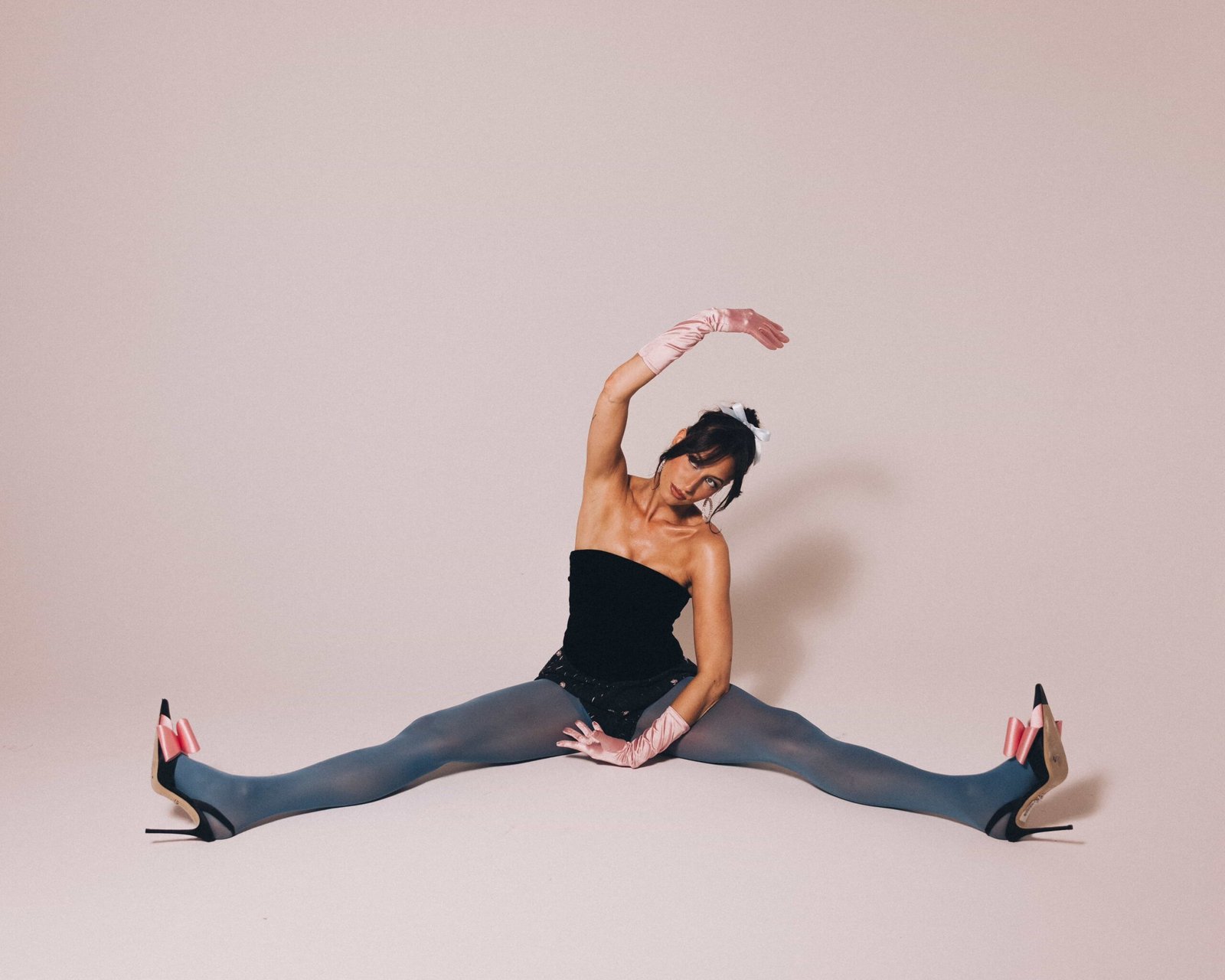
You describe your music as living “between a spotlight and a secret.” What does that mean to you?
I didn’t remember that I said that, but I love it (laughs). It’s the space between something intimate and something grand. I think we all carry parts of ourselves that want to be seen, but we also mask them to protect ourselves. It’s a defense mechanism. My music is sort of a metaphor for that. It’s honest and raw—the lyrics are usually pretty simple and direct—but dressed up in this sort of velvety, sensual, mysterious smoke and mirrors world.
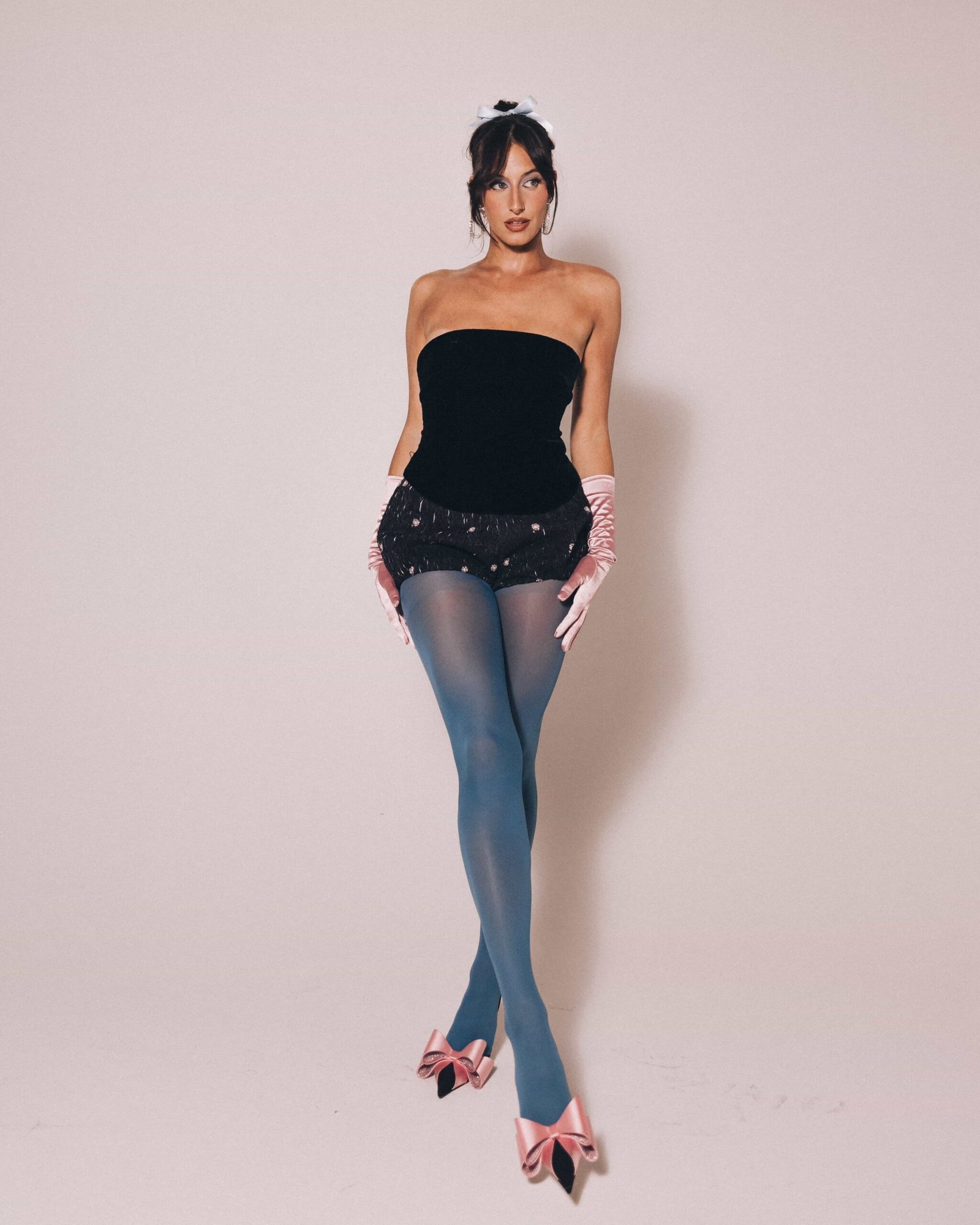
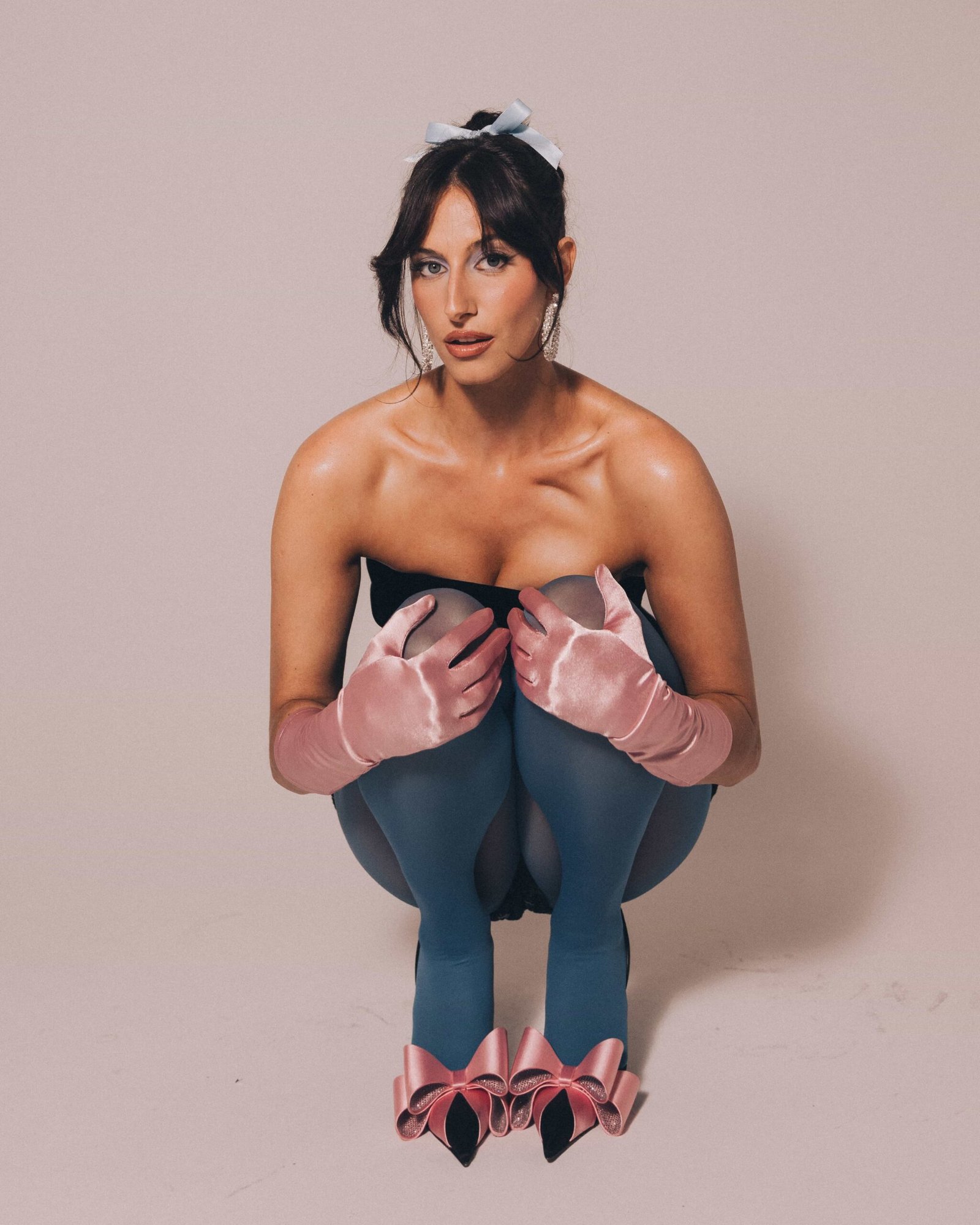
Fin is structured like a musical in acts. Why did you choose that theatrical format for your debut album?
I’ve always loved the structure of theater—the pacing, the arc, the intentionality—so it felt right to make something conceptual and immersive for my debut. And it felt like it leant itself to this saga in an authentic way.
Can you walk us through the emotional journey of Fin? What story are you telling?
It’s a love story—but not the traditional kind. It begins romantic, fantastical, and sensual, then moves into disillusionment, grief, reckoning, and ultimately release. It’s about the power of letting go, even when there’s still love there. Sometimes that’s the most loving thing you can do—for yourself or for the other person.
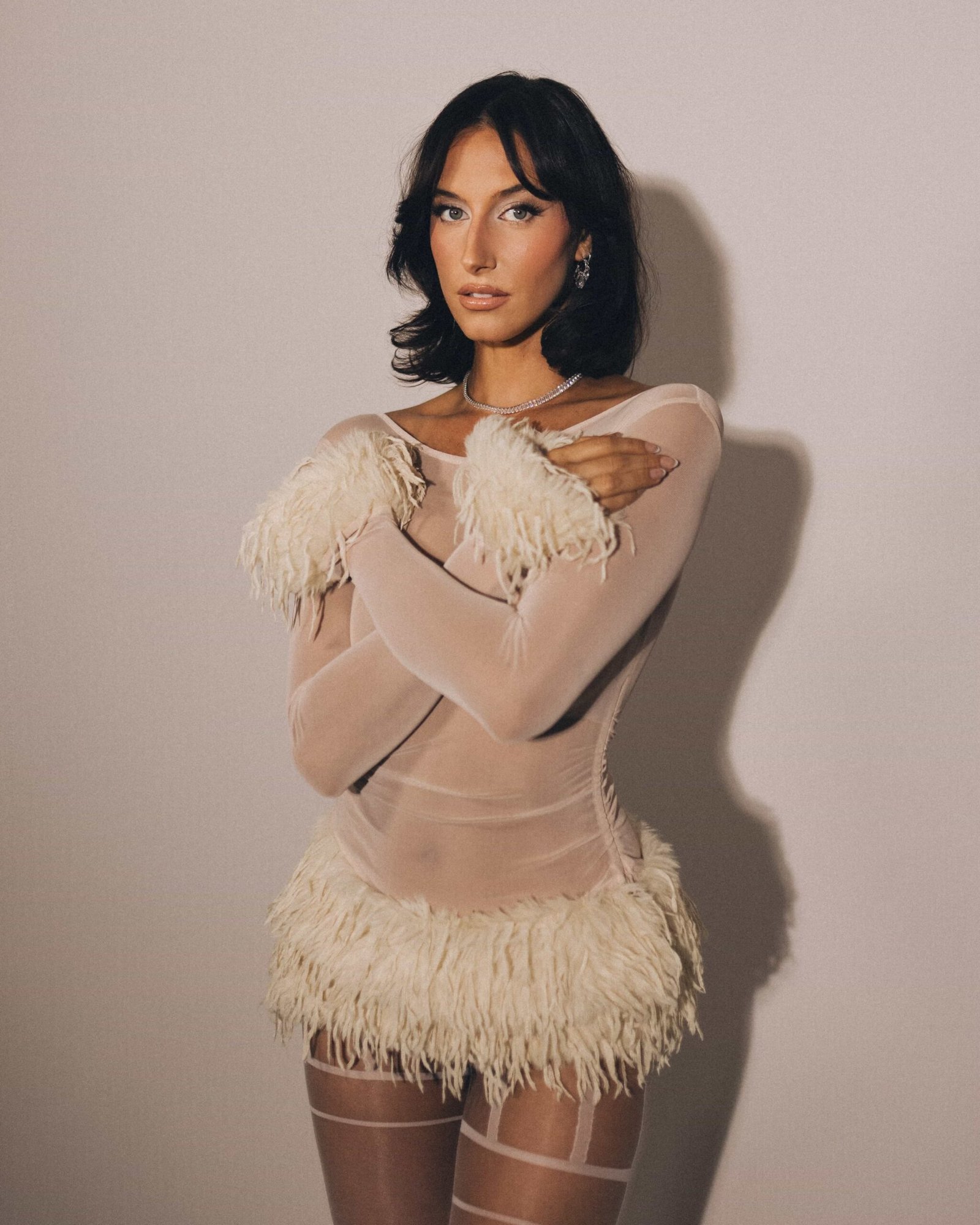
How has your relationship with legacy—being the granddaughter of Eartha Kitt—influenced your artistic voice?
It’s something I’m deeply proud of. But it took time to realize I wasn’t here to replicate her—I was here to carry something forward in my own voice. Those are big shoes to even attempt to stand near, but I’ve come to understand that I deserve my own seat at the table. That makes it even more meaningful to carry her legacy with me.
How do you navigate honoring your heritage while creating something entirely your own?
It’s not about replicating her sound—it’s about capturing the essence. My grandmother had this ability to drop you into a world that was cinematic and elegant, sensual and playful. I try to do that in my own way. I think the biggest thing about creating something entirely my own is that I’m also the songwriter, so I’m telling personal stories through a more contemporary lens. There’s a bit of the femme fatale in there, but also humor, vulnerability, and a modern songwriter’s perspective.
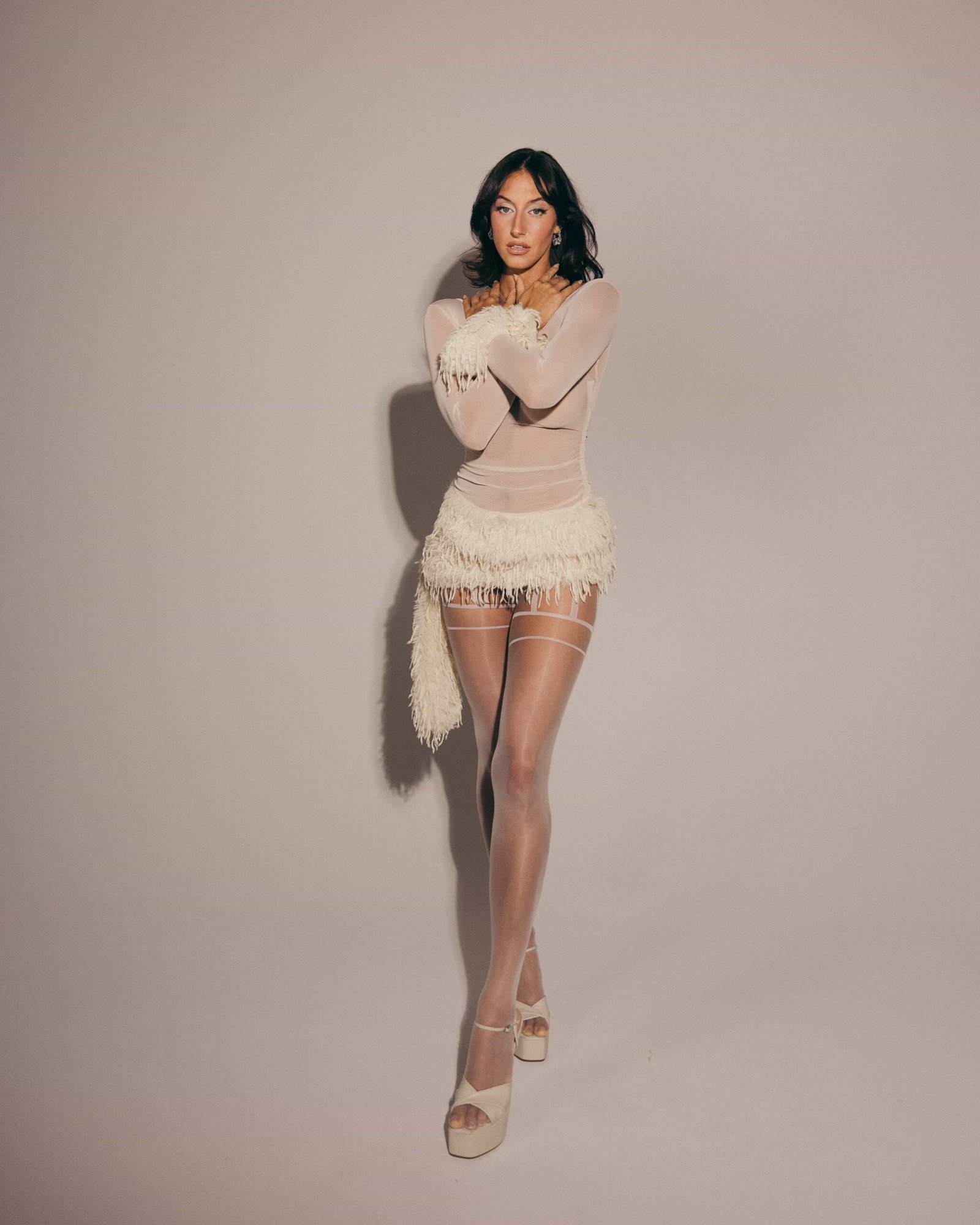
You’ve described heartbreak as cinematic. How do visuals and film influence your songwriting?
I love film so much. When I’m writing, I usually see the scene first—like the moment in a movie this song would underscore. It helps me build the world of the song emotionally. I love vintage aesthetics, timeless visuals. And I spend a lot of time curating mood boards on Pinterest, pulling visuals that help anchor the sonic atmosphere. It helps me stay immersed.
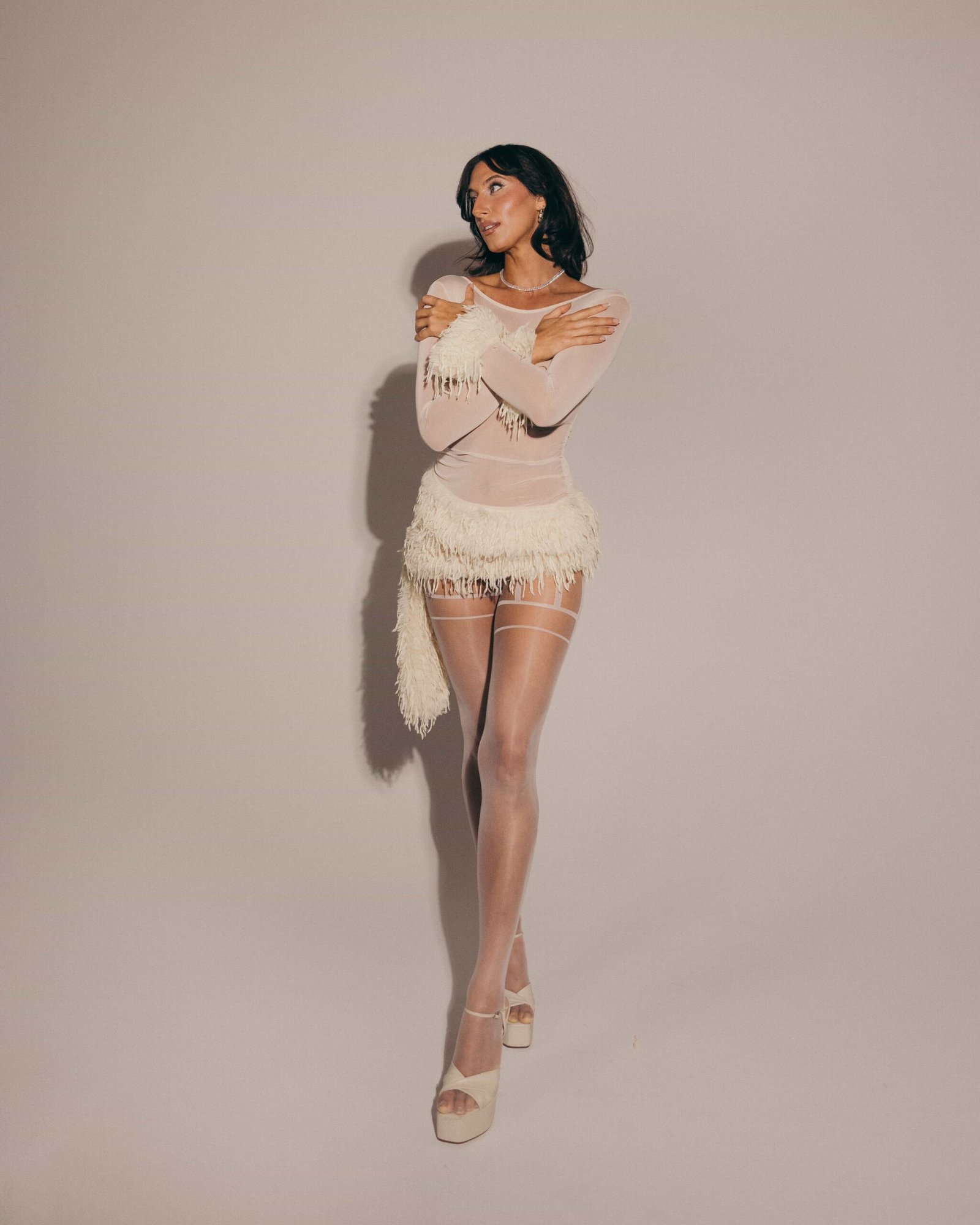
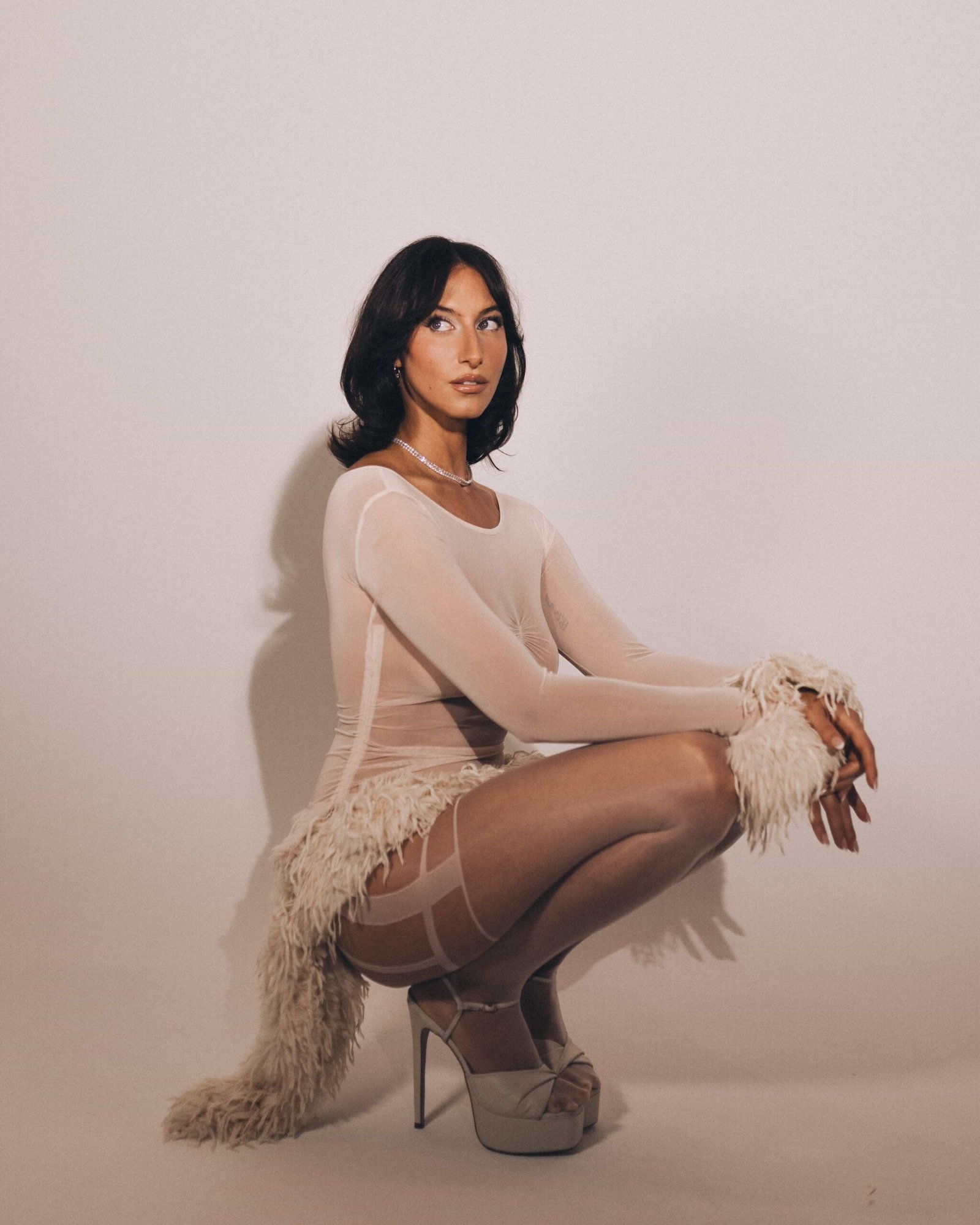
Do you see yourself more as a musician, a storyteller, or a performer—or all three?
All three, definitely. Although sometimes I find the word “storyteller” a bit pretentious, in the literal sense, it is what I’m doing. So those all feel inseparable to me. Music is the vessel, storytelling is the core, and performance is the lens. Even when I’m not on stage but in the studio, I’m still performing—I’m stepping into character, narrating the scene.
You’ve performed at The Troubadour and had a sold-out debut at the Cara Hotel. How do you approach your live shows?
I want my shows to feel intimate and transportive—like stepping into a smoky 1950s jazz club in Paris, even just for one night. I love when a space feels like an experience. The arrangements tend to be a little more stripped down live, sometimes more jazzy or cinematic. I like to interact with the audience—it’s playful, immersive, and really personal.
What role does healing play in your music?
It’s everything. Music is how I process. Sometimes I’ll write something in my journal just to get it out of my system, not even planning to write a song—but then it ends up there anyway. It’s cathartic. It’s how I move through things.
What do you hope listeners take away from “The Avoidant”?
That you don’t need to over-give in order to receive love. That you’re not weak for being soft or for wanting more. You don’t have to walk on eggshells to be worthy of love. You don’t have to make yourself small.
When you’re not producing or performing, how do you recharge?
I really value my solitude to recharge. I do love being around people I love, but I value my me-time a lot. Walks around the neighborhood, hanging with my dog, rewatching my favorite movies—those simple moments are everything.
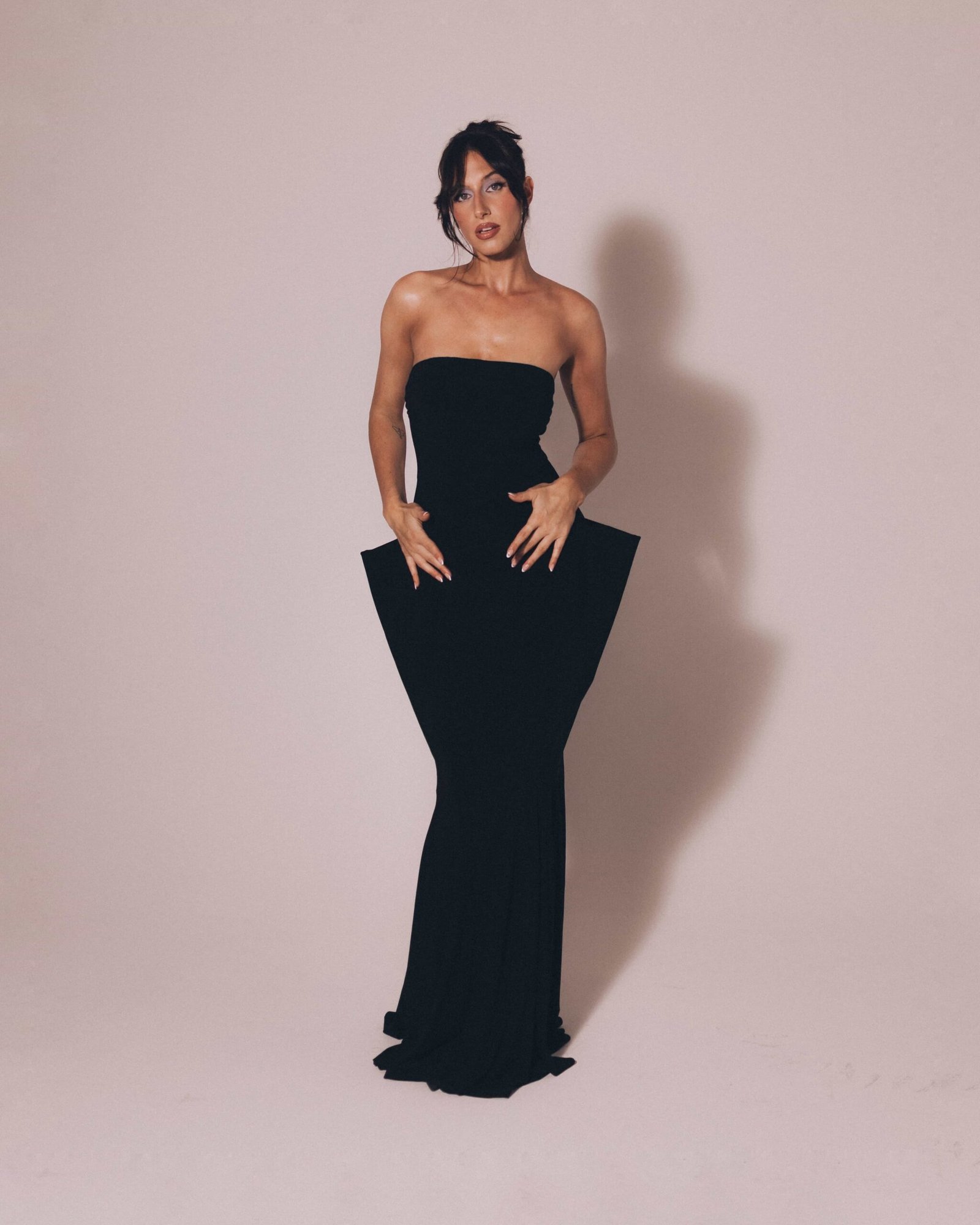
What are some hobbies or rituals that keep you grounded when life gets hectic?
Meditation, nature, long drives. I also love making playlists, mood boards, and just letting myself be in creative flow for no purpose or end goal other than the joy of it.
Any guilty pleasures?
I don’t really feel guilty about any of them, but I rewatch the same films constantly. I never get sick of them. And I love making mood boards. I spend a lot of time on Pinterest.
Any surprising passions or interests fans might not expect?
I don’t know how surprising this is, but I’m very into astrology and spirituality. It seems like the most “woo-woo LA” thing about me, but I’ve been that way well before I moved to LA. I’m also a massive fantasy and sci-fi nerd. I love games—a game night is my ideal “night out.” And I do love cars. That’s a random one most people don’t know.
What does the next chapter look like after Fin?
More music. More visuals. Hopefully a tour. I’d love to adapt the album into a visual project of some sort. I’ll be spending more time between the U.S. and Europe, writing, collaborating, and just continuing to expand—more music, more life, eventually building a family hopefully. That’s the next-next chapter.
Any dream collaborators?
So many. Alicia Keys, Mark Ronson, James Blake, Olivia Dean, Raye, Ludwig Göransson, Hans Zimmer, Bruno Major, Celeste, Montell Fish, Angie McMahon, Berlioz, Labrinth, Jordan Rakei… the list truly goes on and on and on. I’d love to work across genres and disciplines—music, film, fashion. I want to keep growing, evolving, and reaching in unexpected directions.
Would you ever write a book, musical, or screenplay to expand your storytelling?
Absolutely. I actually started writing a novel—a literary fiction piece set off the coast of Italy. I’d love to return to it. I also dream of writing a musical and a screenplay. That’s always been part of the vision—just letting the stories find whatever medium they want to live in.